How to Talk to HR When Your Paycheck is Short (Without Getting Fired)
Short paycheck? Don't panic. Learn how to ask HR about missing pay without sounding aggressive and use AI to draft the perfect professional email.
You know that sinking feeling. You log into your banking app on Friday morning, expecting to see your full week of grinding reflected in your balance, but the number is... off. It's missing a hundred bucks. Or maybe two. Your heart sinks. Your first instinct is probably to march into the office (or fire off a capital-letters email) demanding to know who stole your money. But then the fear kicks in. Am I going to look like a "problem employee"? Is HR going to mark me as a troublemaker? It's a special kind of stress that most bosses don't really get until they're the ones being shorted.
Step 0: Assume It Was a "Glitch" (Even if You're Pretty Sure it Wasn't)
Look, most of the time, it actually is just a glitch. A server didn't sync, a supervisor forgot to hit 'approve' on a shift, or the payroll software had a weird moment. If you go in guns blazing, accusing HR of theft, you've already lost. Even if they're in the wrong, you've made it personal.
The goal is to get your money, not to start a war. Keep it clinical. I always tell people to start with the "I’m confused" approach. It’s hard for someone to get defensive when you’re just asking for help understanding the math. "Hey, my records show 42 hours but the stub says 38—could you help me figure out where I missed a step?" That way, if they did mess up, they can "fix the error" without feeling like they’re admitting to a crime.
Gather Your Own Receipts First
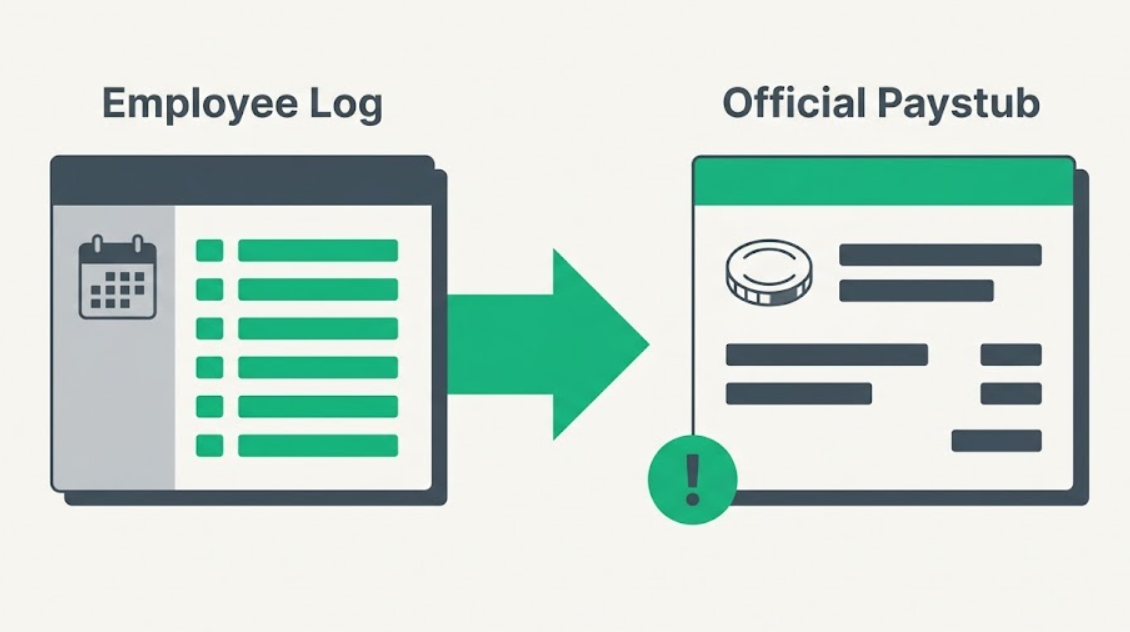
You can't walk into HR with "I feel like I worked more." That’s zero leverage. You need hard numbers. This is where most guys mess up—they trust the company's timekeeping system to be the only record. It shouldn't be. You should have your own log. Every clock-in, every lunch break you actually took, every time you stayed five minutes late because the next shift was tardy.
If you don't have a log, start today. Use a notebook, your phone's Notes app, or a free payroll calculator to keep a running tally. When you have your own report, you aren't guessing. You're verifying.
The "Secret Weapon" for Nervous Writers
Honestly, even once you have the numbers, the hardest part is hitting "send" on that email. You spend two hours deleting and re-typing sentences because you don't want to sound like a jerk. It's exhausting.
That’s exactly why we built the AI assistant into our tool. You don't have to pick the "right" words anymore. Just punch your hours into our calculator, head to the "Special Notes" box on the side, and tell it what happened—something like "I think I was missing 3 hours from Tuesday." Click the generate button, and it’ll spit out a professional, perfectly-toned email you can just copy and paste. No second-guessing, no anxiety. It does the awkward part for you.
Common Questions
Can I be fired for asking about my pay?
Legally? No. Under federal law (and most state laws), it is illegal for an employer to retaliate against you for asking about your wages or reporting a pay error. However, people are humans, and being aggressive can make things tense. That’s why being diplomatic is key—you want your money and a good relationship.
What if they tell me it'll be on the next check?
This is a common "fix" for managers, but it’s not always legal if the delay causes you to fall below minimum wage for the period. If you can't wait two weeks for your rent money, politely explain that it's a hardship and ask for an "off-cycle" check. Most big companies can actually do this if they really want to.
How long should I wait to say something?
Don't wait. The longer you let it sit, the harder it is to track down the error. If your paycheck is wrong on Friday, send the email or ask the question by Monday. It shows you're paying attention and that your time is valuable.